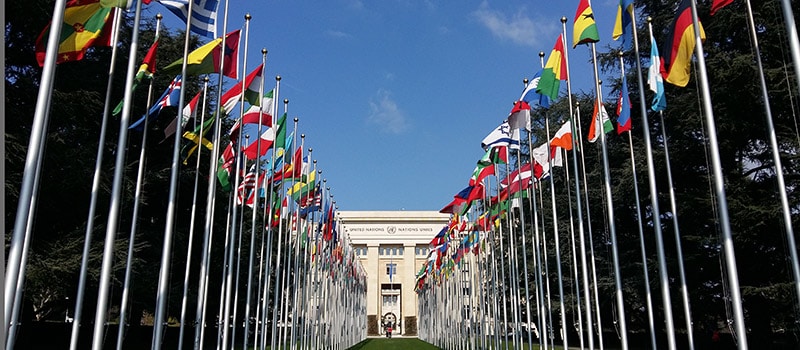
The International Federation of Social Workers (IFSW), as part of the Identity Rights Working Group (IDRWG), has contributed to a submission to the United Nations Office of the High Commissioner for Human Rights (OHCHR) examining the impact of mental health challenges on the enjoyment of human rights by young people.
The submission highlights the critical role that legal identity, nationality, and family relations play in supporting children’s and young people’s mental health and wellbeing. It underscores that the absence of birth registration, nationality, or access to information about family origins can lead to exclusion from education, healthcare, and social participation, while increasing vulnerability to exploitation, poverty, and psychological distress. The working group emphasises that identity is not only a legal matter, but also a foundation for belonging, dignity, and psychosocial wellbeing.
Drawing on international research and practice experience, the submission calls on governments to strengthen birth registration systems, prevent statelessness, and ensure that children and young people can access and preserve their identity. It further highlights the importance of family and community connections, as well as social protection and child protection systems, in promoting mental health.
Pascal Rudin, Interim Secretary General of IFSW and a member of the Identity Rights Working Group, said:
“Social workers witness daily how lack of legal identity, nationality, or family connections can profoundly affect young people’s mental health and sense of belonging. Ensuring that every child has a recognised identity is fundamental to protecting their rights, dignity, and wellbeing. This submission reinforces the essential role of social work in supporting identity restoration, family connections, and access to services.”
The OHCHR study, mandated by the UN Human Rights Council, will inform future international policy and guidance on protecting the mental health and human rights of young people. Through its participation in the Identity Rights Working Group, IFSW continues to advocate for policies and practices that recognise identity as a cornerstone of social justice and wellbeing.